 A dry FloodSax showing how large it is
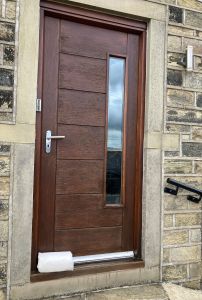 A rolled up FloodSax next to a door
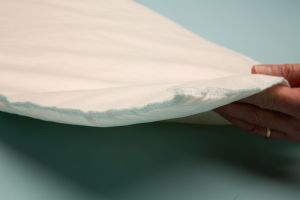 FloodSax are incredibly thin in their dry state
How to make space-saving FloodSax even tinier to store
FloodSax are space-saving to story in their packaging … but remove that and they take up even less room.
That’s what a plumber has found while using FloodSax to do day-to-day tasks to soak up drips and small leaks when dealing with seeping taps, boilers and radiators.
He said: “When I first got FloodSax the packaging is quite stiff and I understand why it’s vacuum-packed to protect the FloodSax inside and most people will want to store them like this.
“But it doesn’t have to be that way, especially if the FloodSax are in regular use. FloodSax are robust so it’s fine to take them out of the packaging and roll them up so the space they take up is miniscule and that can be important if you’re carrying them around in the back of a van and using them all the time.
“Space is at a premium in tradesman’s vans and if you’re using them day in and day out like me simply take it out for the job and then, if only a bit of water has soaked in, pop them in the back of the van ready for the next one.’’
Lucy Bailey from FloodSax said: “We would recommend that FloodSax are stored in their protective packaging as this guarantees their 5-year shelf life but when they are being used often it’s fine to take them out if you are going to keep on needing them and storage space is severely limited. Just make sure they don’t come into contact with water while stored.’’
FloodSax are unique in that they are the only alternative sandbag that can work indoors as well as outside, making it incredibly flexible and multi-functional.
In their dry state FloodSax are very flat with a large surface area so the gelling polymer can soak up escapes of water, drips, leaks and internal floods even in the most inaccessible places such as beneath floorboards as well as underneath sinks, pipes, radiators and boilers.
Once FloodSax are fully immersed in water, a gelling polymer inside absorbs and retains it to expand to become an instant sandless sandbag. Several can then be used to build a protective barrier outside to prevent water getting into the home or divert it down drains.
This is why it’s so important that every home, business and public building has an emergency store of FloodSax to prevent damage from flooding or escapes of water.
According to the Association of British Insurers the average claim for a flooded business is £70,000 while the average cost of a flooding claim on home insurance is around £32,000 yet all this can be prevented by 20 FloodSax which cost around £140 – about the third of the cost of the flooding excess on home and business insurance policies.
For more on FloodSax click here.